
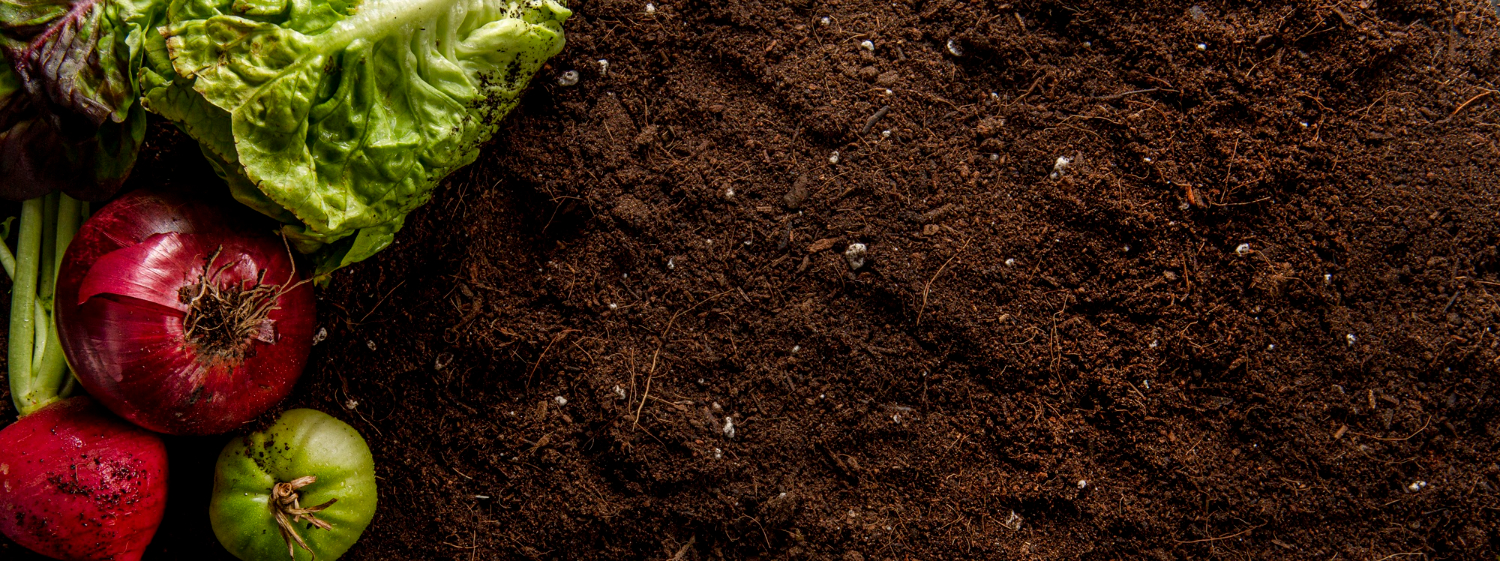
How to Improve Your Soil With Compost: Our Guide to Healthier, Happier Plants
Healthy plants start with healthy soil—and one of the easiest, most natural ways to boost your soil is by adding compost. Whether you’re growing vegetables, flowers, shrubs, or bulbs, compost enriches the ground, improves structure, and supports stronger, more resilient growth. If your soil feels heavy, dry, sandy, compacted, or simply tired, compost is the key to bringing it back to life.
What Is Compost & Why Is It So Good for the Soil?
Compost is simply decomposed organic matter—usually a mix of plants, food scraps, garden waste, and natural materials broken down by microbes over time. When added to soil, it:
- Improves soil structure
- Boosts nutrient levels naturally
- Enhances moisture retention
- Encourages beneficial microorganisms
- Helps suppress plant diseases
- Supports stronger root growth
It’s like an all-in-one vitamin boost for your garden.
Benefits of Adding Compost to Your Soil
✔ Improved Soil Structure
Clay soil becomes lighter and easier to work with, while sandy soil gets more moisture-holding power.
✔ Slow-Release Nutrients
Compost provides a steady stream of nutrients—perfect for bulbs, vegetables, perennials, and fruit plants.
✔ Better Drainage
Well-composted soil drains evenly, preventing both waterlogging and drought stress.
✔ Increased Microbial Activity
Good soil is alive, and compost feeds the beneficial microbes your plants depend on.
How to Improve Soil With Compost
1. Mix Compost Into Planting Beds
Before planting bulbs, seeds, or vegetables, work compost into the top 10–15 cm of soil. This instantly boosts fertility and helps roots establish faster.
2. Top-Dress Established Beds
If your beds are already full, simply spread a 2–5 cm layer of compost on top. Worms and rain will naturally pull it deeper into the soil.
3. Use Compost as Mulch
Applying compost as mulch helps retain moisture, suppress weeds, and slowly release nutrients. It’s especially effective around perennials, fruit bushes, and roses.
4. Improve Lawn Soil
For tired lawns, sprinkle a fine layer of compost over the surface to increase soil health and encourage lush growth.
5. Revitalise Veggie Patches
Vegetable beds benefit hugely from compost since crops pull nutrients from the soil quickly. Add compost annually for consistent, healthy harvests.
When Should You Add Compost?
You can add compost anytime, but the best seasons are:
- Autumn: replenishes nutrients after summer growth
- Spring: gives beds a boost before planting season
- Early summer: supports growing fruits, veg, and flowers
For bulbs specifically, adding compost in autumn before planting is ideal.
Why Compost Is Great for Sustainable Gardening
Using compost reduces waste, improves biodiversity, and cuts down on chemical fertilisers. It’s one of the simplest ways to make your garden more eco-friendly—while still getting incredible results.
Final Thoughts: Compost Is the Secret to Better Soil
If you want healthier plants, bigger blooms, and better harvests, start by improving your soil with compost. It’s natural, affordable, easy to use, and incredibly effective across all soil types. Whether you’re growing seed potatoes, flower bulbs, vegetables, or shrubs, compost will help your garden thrive.
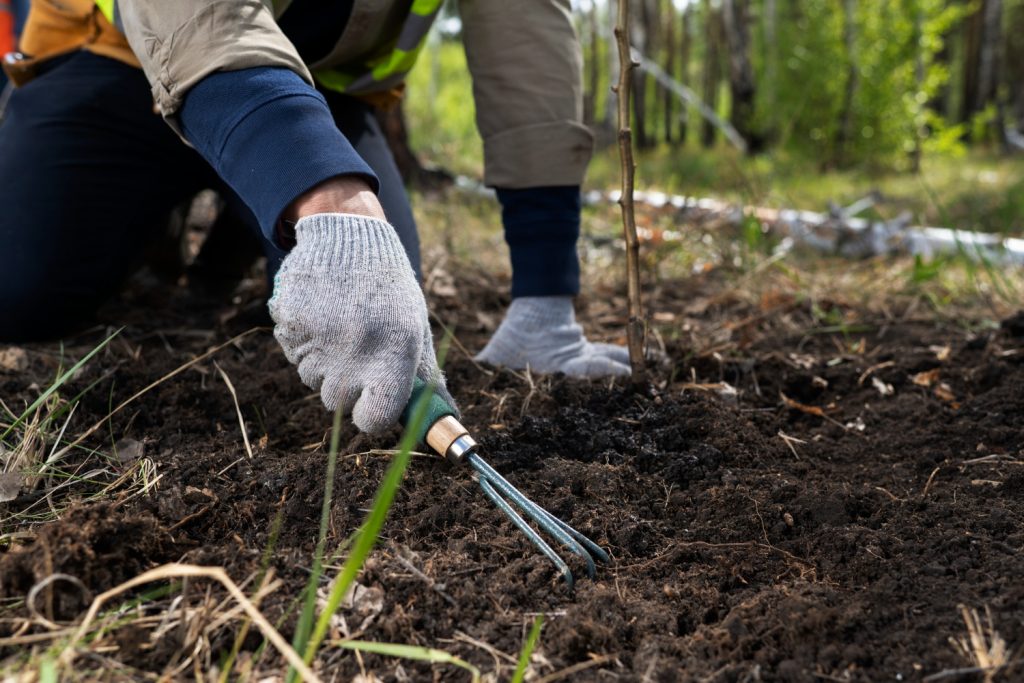
Shop Compost Now
Healthy plants start with healthy soil. Shop our range of Compost to give your plants the best start in life!