
Pollinator Friendly Bulbs
Creating a pollinator-friendly garden is one of the most rewarding ways to support biodiversity in your garden.
By choosing the right flower and vegetable bulbs, you can provide essential food sources for bees, butterflies, and other beneficial insects throughout the growing season.
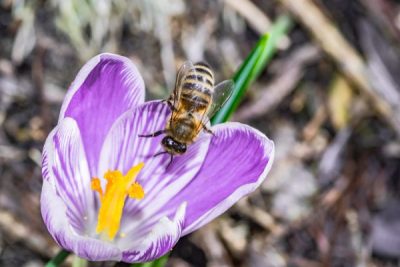
Pollen from early spring bulbs
Pollinators rely on nectar and pollen, and bulbs are an excellent way to offer both early and late-season nourishment. Early spring bulbs such as crocuses, daffodils, and alliums are particularly valuable because they bloom when few other plants are available. These early flowers help pollinators recover after winter and build energy for the months ahead.
How to create a continuous supply of pollen for pollinators
As the season progresses, consider planting a variety of flowering bulbs that bloom at different times. This ensures a continuous supply of food. Summer-flowering options like dahlias and gladiolus can attract a wide range of pollinators, while late bloomers extend feeding opportunities into autumn.
When selecting bulbs, opt for varieties that are rich in nectar and pollen rather than highly hybridized types that may prioritize appearance over function. Simple, open flowers are often easier for pollinators to access. Planting in clusters rather than single bulbs also makes it easier for insects to locate food sources efficiently.
Vegetable bulbs for pollinators
Incorporating pollinator-friendly vegetable bulbs, such as onions and garlic, can also be beneficial if allowed to flower. Their blooms are highly attractive to bees and add diversity to your garden ecosystem.
At Betty’s Bulbs, we believe that every garden can play a role in supporting pollinators. By thoughtfully selecting and planting bulbs, you can create a beautiful space that not only enhances your garden but also contributes to a healthier environment. Start planning today and make your garden a haven for pollinators all year round.